Technology
Who’s in Control? The Limits of Ector County’s Authority Over New AI Data Centers
By Isabella Reyes
Advertisement · Why this ad?
Samuel Garcia has been reporting on public safety and law enforcement for over 7 years, previously contributing to local news outlets such as KRGV-TV. He holds a degree in Criminal Justice from the University of Texas at Brownsville.
More from Samuel →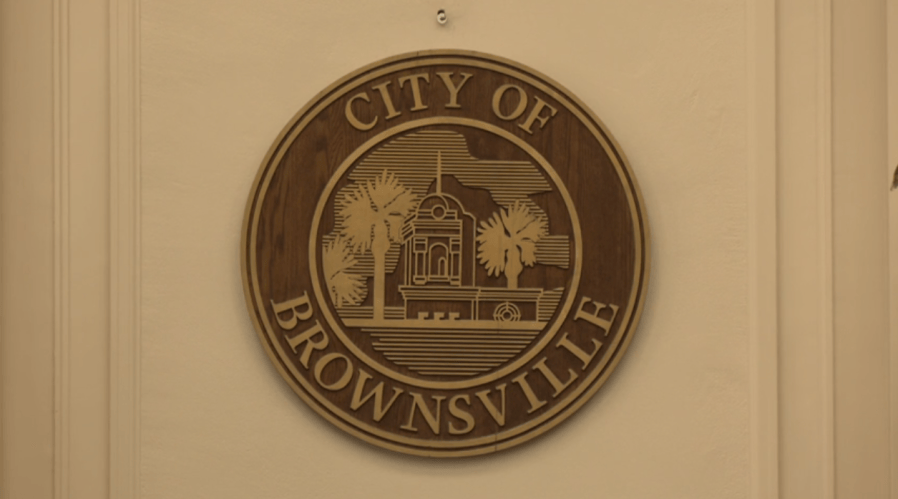
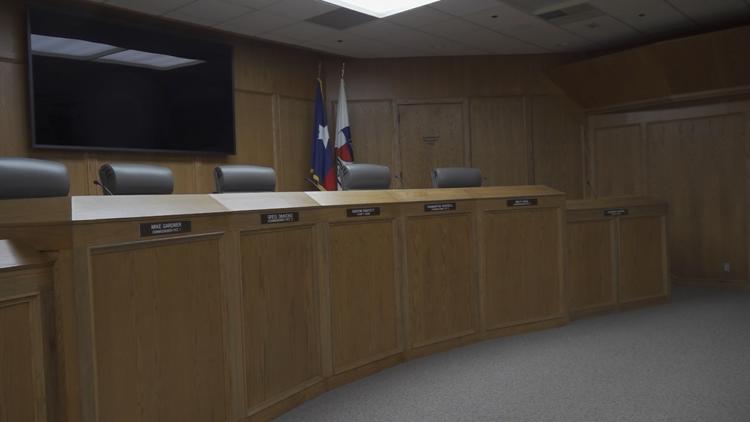
In a city where the sun sets over the Rio Grande, casting golden hues across the skyline, a significant decision unfolded that could shape the future of Brownsville. At a recent city commission meeting, the air was thick with anticipation as residents gathered to hear about a new moratorium on data centers. This decision, rooted in both concern and opportunity, reflects the community's desire to balance technological advancement with the preservation of its unique character.
On Wednesday evening, the Brownsville City Commission unanimously passed a City of Brownsville's website on data centers, marking a pivotal moment for the city. This pause will halt the processing, acceptance, and approval of new data center applications, effective immediately as of Thursday. The moratorium comes as the commission aims to evaluate the implications of such facilities on the local economy, infrastructure, and environment.
The decision was not made lightly. It followed a growing concern among residents and officials regarding the rapid influx of data centers in the area. Many voiced apprehensions about the potential impact on local resources, including water and energy, as well as the overall aesthetic of the neighborhood. Mayor Juan “Trey” Mendez III emphasized the need for a comprehensive review, stating, "We want to ensure that any developments align with our community's values and needs."
Data centers, which are facilities used to house computer systems and associated components, have become increasingly prevalent in the digital age. While they promise economic growth and job creation, they also raise questions about sustainability and community welfare. The moratorium allows city officials to take a step back and assess the situation thoroughly.
The decision to impose a moratorium was met with a mix of support and skepticism from the community. Many residents, like local business owner Maria Gonzalez, expressed relief at the pause. "We need to think carefully about how these data centers will affect our city," she said. "It's not just about jobs; it's about our quality of life. We want to make sure we are not sacrificing our community for quick economic gains."
On the other hand, some residents voiced concerns about the potential loss of economic opportunities. “Data centers can bring jobs and investment,” remarked Javier Rodriguez, a local contractor. “We just need to find a balance that works for everyone.” This sentiment highlights the delicate balance Brownsville must strike between embracing technological advancements and maintaining the values that define its community.
The economic implications of the moratorium are significant. Data centers are known for their potential to create jobs, stimulate local businesses, and increase tax revenues. According to a report by the Brownsville Chamber of Commerce, the technology sector is one of the fastest-growing industries in the region. However, the city must consider whether the benefits of these developments outweigh the potential costs.
As the commission reviews the situation, they will be looking closely at how data centers could impact local infrastructure and resources. The city’s water supply, for example, is a critical concern as data centers consume substantial amounts of energy and water. The moratorium provides the necessary time to assess these factors and engage with community stakeholders.
In addition to economic impacts, the environmental implications of data centers cannot be overlooked. Brownsville is known for its unique biodiversity and natural beauty, which many residents are keen to protect. The city is home to several wildlife reserves and parks, and there are concerns that large data center facilities could disrupt local ecosystems. The moratorium allows for a thorough environmental impact assessment, ensuring that any future developments are sustainable.
Environmental advocates, such as members of the Sierra Club Texas Chapter, have voiced their support for the moratorium. They argue that it is essential to consider how these facilities will affect air quality, water resources, and land use. “We cannot afford to sacrifice our environment for short-term economic gains,” said local activist Elena Martinez. “This moratorium is a step in the right direction.”
As the 90-day moratorium unfolds, the city commission plans to hold public forums to gather input from residents. These sessions will be crucial for understanding community perspectives and developing a comprehensive plan that addresses both economic growth and environmental sustainability. Mayor Mendez reassured the public, stating, "We want to hear from you. Your voices are essential in shaping the future of Brownsville."
Additionally, city officials will be collaborating with experts to study the long-term effects of data centers on urban development. This includes evaluating the potential strain on local utilities and services, as well as the overall impact on the community's character. The goal is to create a framework that allows for responsible growth while preserving the values that make Brownsville unique.
Furthermore, the commission is considering forming a task force that includes local business leaders, environmentalists, and community representatives. This diverse group would work together to create guidelines for future data center developments, ensuring that they meet the needs of the community while also considering environmental impacts.
For residents seeking more information about the moratorium and upcoming public forums, the City of Brownsville's website will provide updates and resources. Additionally, local organizations such as the Brownsville Chamber of Commerce are available to assist residents and businesses in understanding the implications of the moratorium.
Residents are encouraged to engage with their city officials and participate in discussions about the future of their community. By voicing their concerns and ideas, they can play an active role in shaping the policies that affect their lives.
As Brownsville embarks on this 90-day pause, the city stands at a crossroads. The moratorium on data centers presents an opportunity for reflection and dialogue, allowing residents to consider the kind of growth they desire for their community. It’s a chance to evaluate how technological advancements can coexist with the values that define Brownsville.
In the coming weeks, the community will have the chance to weigh in on this critical issue, and city officials are poised to listen. The outcome of this moratorium could set a precedent for future developments in Brownsville, influencing not only the local economy but also the community’s identity.
In a world increasingly driven by technology, Brownsville's approach to data centers will serve as a model for other cities grappling with similar challenges. As the city moves forward, it remains committed to ensuring that progress aligns with the values and aspirations of its residents. The future of Brownsville is bright, and with thoughtful planning and community involvement, it can thrive without losing sight of what makes it special.
By Isabella Reyes
By Ethan Brooks

By Vanessa Jimenez

By Jasmine Lee