Community
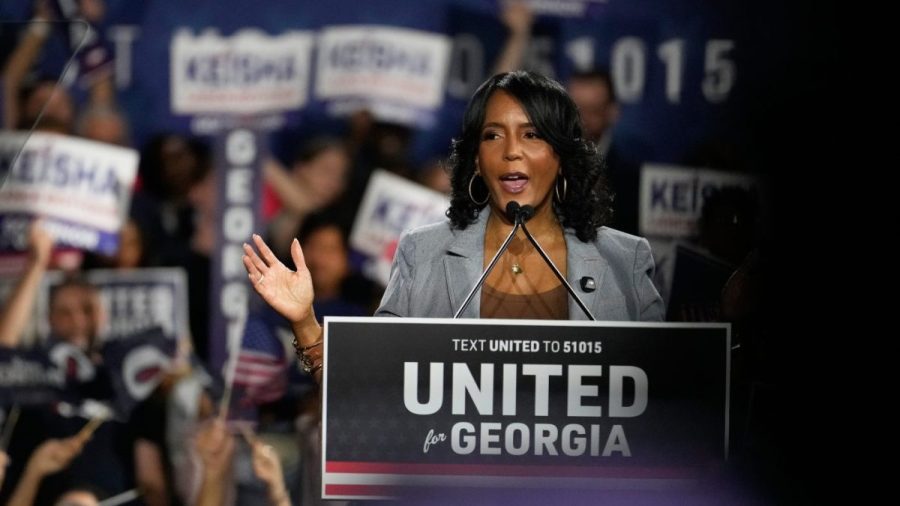
Bottoms defeats Rick Jackson, turning Georgia governor's office blue
By Lila Chen
Advertisement · Why this ad?
Jasmine Lee has spent the last 6 years reporting on high school and college sports in Central Texas. A graduate of UT Austin, she was previously with the Austin Chronicle and is passionate about showcasing the talent within the community.
More from Jasmine →
As the sun dipped below the horizon on a warm Texas evening, a group of neighbors gathered on a front porch, their conversations animated with hopes and predictions about the upcoming 2026 midterms. Among them was Maria Gonzalez, a local teacher, who passionately spoke about the importance of civic engagement and the power of every vote. Her words echoed the sentiments of many Austinites who are eager to understand how the shifting political landscape might impact their community. This gathering, a microcosm of the larger political discourse, showcases the deep-rooted desire for change and representation in a rapidly evolving city.
The 2026 midterm elections are shaping up to be a pivotal moment for Congress, with both parties strategizing to secure control. As of now, the political map is evolving, with key races expected to determine the balance of power. Recent analyses suggest that demographic shifts and changing voter sentiment could lead to significant seat pickups for both Republicans and Democrats.
Austin, known for its progressive leanings, is witnessing an interesting dynamic as local issues take center stage. The City of Austin has been grappling with challenges such as affordable housing and public transportation, which are likely to influence voter turnout and preferences. As candidates begin to emerge, the focus will be on how they address these pressing concerns.
In this context, the national political climate also plays a crucial role. With the Biden administration facing scrutiny over various policies, the Republican Party is eager to capitalize on any discontent among voters. This sets the stage for a competitive election cycle where every seat counts.
The excitement around the midterms is palpable in Austin, where community organizations are mobilizing voters and encouraging participation. Local leaders, like Mayor Kirk Watson, are emphasizing the importance of civic duty and the impact of grassroots movements. Watson, who has been a prominent figure in Austin politics for years, noted, "The upcoming elections are a chance for our community to voice its needs and desires. We must ensure that every citizen feels empowered to participate."
Organizations such as Austin Progressive Action are rallying residents to make their voices heard. They are organizing forums and discussions to educate voters about the candidates and issues at stake. “This is our chance to shape the future of our community,” said Gonzalez, who is actively involved in these initiatives. Her commitment reflects a broader trend among educators in Austin, who recognize the importance of fostering political awareness among their students.
Moreover, local schools are also getting involved. Teachers are encouraging students to engage in discussions about the elections, fostering a sense of responsibility and awareness among the younger generation. “It’s essential for our students to understand the importance of their voice,” noted Austin Independent School District teacher, Sarah Lee. Lee's classroom has become a hub for political discourse, where students debate issues like climate change and social justice, reflecting the values of their community.
For many families in Austin, the midterms represent more than just political maneuvering; they symbolize a chance to advocate for their needs. Issues such as education funding, healthcare access, and job security are at the forefront of voters’ minds. The outcome of these elections could have lasting effects on the community's well-being. Parents like David Ramirez are particularly concerned about the future of public education funding. “We need leaders who understand the struggles we face every day,” he said. “It’s not just about politics; it’s about our lives and our future.”
The rising cost of living in Austin has exacerbated concerns over affordable housing, with many families feeling the pinch. The midterms could serve as a referendum on local policies that have either helped or hindered their financial stability. “I hope to see candidates who prioritize affordable housing solutions,” added Ramirez, emphasizing the urgency of the issue. “Our city is changing, and we need representatives who will fight for us.”
Engaging young voters is crucial for the upcoming elections. High school students are increasingly aware of political issues and are eager to participate. Programs aimed at educating them about the electoral process are gaining traction, with local organizations offering workshops and resources. “I want to make a difference,” said 17-year-old Maria Chen, who is planning to vote for the first time. “I believe my voice matters, and I want to support candidates who care about my community.”
Chen is not alone; many of her peers are participating in initiatives like mock elections and voter registration drives. These efforts are not only empowering young voters but are also fostering a culture of civic responsibility that could have long-term benefits for the community. Local nonprofits are collaborating with schools to create a curriculum that emphasizes the importance of voting and civic engagement, ensuring that the next generation is well-prepared to take part in the democratic process.
As we approach the 2026 midterms, the focus will remain on how local and national issues intersect and influence voter behavior. The changing demographics in Austin, with an influx of younger residents and diverse populations, will undoubtedly shape the political landscape. Political analysts are closely monitoring key districts that could swing either way. The potential for seat pickups or losses will depend on voter turnout, candidate appeal, and the ability to connect with constituents on a personal level.
As neighbors gather to discuss their hopes and concerns, one thing is clear: the 2026 midterms will be a defining moment for the community. The stakes are high, and the voices of Austinites will play a crucial role in determining the future of Congress. The outcome will not only influence local policies but will also resonate on a national scale, as Austin continues to be a bellwether for progressive movements across the country.
In the coming months, candidates will ramp up their campaigns, and community engagement will become even more critical. Town halls, debates, and outreach programs will be essential for candidates to connect with voters and understand their needs. As the political landscape evolves, one thing is certain: the collective voice of Austin will be instrumental in shaping the future of governance in the United States.
By Lila Chen
By Jasmine Lee

By Jasmine Lee
By Dylan Carter