Health
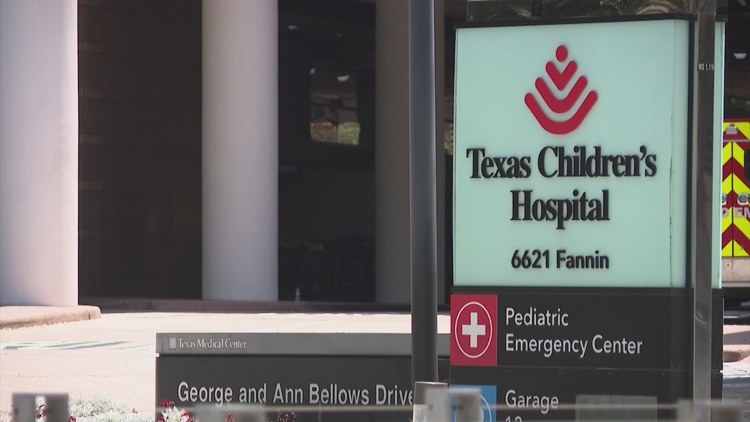
Texas Children’s Hospital opens detransition clinic after $10 million Paxton settlement
By Amber Tran
Advertisement · Why this ad?
Amber Tran is a dedicated health reporter with a background in biochemistry from the University of Texas at Dallas. With 4 years of experience at various local publications, she specializes in health trends and community wellness initiatives, often highlighting local healthcare heroes.
More from Amber →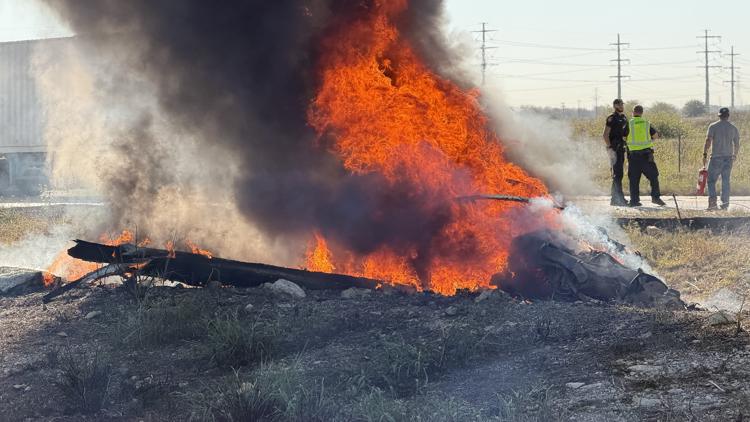
On a clear October day, the skies above Fort Worth, usually a canvas of endless possibility, turned tragic when a small plane, piloted by 67-year-old John Unangst, went down near Hicks Airfield. Friends and family are left grappling with the sudden loss of a man who was not only a skilled aviator but a beloved member of his community. The Tarrant County Medical Examiner's Office formally identified John Unangst as the pilot who died in the Oct. 7 plane crash, leaving a void that extends far beyond the immediate circle of his loved ones.
The National Transportation Safety Board (NTSB), the independent federal agency responsible for investigating civil aviation accidents, promptly launched an investigation into the incident. Their preliminary report, released on October 25, began to shed light on the events leading up to the fatal crash. Unangst, a seasoned pilot, was at the controls of his Lancair IV-P, a single-engine, experimental, homebuilt aircraft registered as N194WT, which he also owned.
The flight originated from Hicks Airfield (T67), a privately owned, public-use airport north of Fort Worth known for its vibrant community of general aviation enthusiasts and experimental aircraft. At approximately 11:30 AM CDT on that fateful Saturday, Unangst departed, setting his course for the Midland International Air and Space Port (KMAF), a familiar destination for many pilots in our region. What should have been a routine cross-state journey tragically concluded just minutes after takeoff.
Multiple witnesses near the airfield observed the aircraft in its final moments. Accounts varied slightly but painted a consistent and alarming picture. One witness described hearing the engine sputtering or cutting out before observing the aircraft in a steep climb. Another saw the plane ascend sharply, then enter a nose-down spin. A third witness corroborated these observations, noting a steep climb followed by a stall and then a spin, indicating a sudden loss of aerodynamic lift.
The aircraft ultimately crashed into a wooded area approximately 1.5 nautical miles south of Hicks Airfield. The impact was described as high-energy, leading to a significant post-impact fire that consumed and destroyed the experimental plane. The NTSB's on-scene examination confirmed that the flight controls remained continuous to the cockpit and that key fuel system and engine components were recovered for further, more detailed analysis. Crucially, at this preliminary stage, no pre-impact mechanical anomalies have been definitively identified, leaving investigators to consider other potential factors.
John Unangst, at 67 years old, was more than just a pilot; he was a man deeply rooted in his passions and dedicated to his family. His loved ones remember him as a supportive father and a cherished friend, whose laughter often filled the room. His passion for flying was well-known, a pursuit he embraced with skill and enthusiasm. He held a Private Pilot Certificate with ratings for single-engine land aircraft and instruments, demonstrating a commitment to proficiency and safety in the skies.
His medical certificate, a Third-Class, was issued on February 10, 2022, and was valid until February 28, 2024, indicating he met the necessary health requirements for flight. Unangst was an experienced aviator, boasting an impressive total flight time of approximately 2,500 hours. A significant portion of this experience, around 1,000 hours, was specifically in the Lancair IV-P, the very type of aircraft involved in the accident. His last flight review, a mandatory check of pilot proficiency, was completed in February 2023, underscoring his commitment to maintaining his flying skills.
The Lancair IV-P, a high-performance, experimental aircraft, is a testament to the dedication and craftsmanship of homebuilders. These aircraft, while offering incredible performance and customization, also require a unique understanding and respect for their capabilities. Similar experimental models can represent a significant investment, often ranging from $250,000 to $500,000, reflecting the hours of labor and specialized components involved in their construction. John's choice of aircraft speaks to his deep engagement with the aviation community and his pursuit of the ultimate flying experience.
The news of John Unangst's passing has sent ripples of sorrow through the aviation community, both in North Texas and here in the Permian Basin. While the incident occurred near Fort Worth, it resonates deeply with our Midland community, especially given our vibrant aviation scene at Midland International Air and Space Port and the many pilots and aviation enthusiasts who call our region home. The sudden loss of a skilled and respected pilot like John serves as a somber reminder of the inherent risks, yet also the profound rewards, of flight.
In times of such unexpected tragedy, communities often draw closer, finding solace in shared memories and mutual support. John's loved ones, including his children and extended family, are navigating an unimaginable grief. It is in these moments that the strength of family bonds and the comfort of faith become paramount. Our community, known for its resilience and compassion, stands ready to offer support, understanding that a strong foundation of family and faith provides essential comfort during life's most challenging trials.
The NTSB's investigation is a meticulous process, often taking 12 to 18 months to complete. During this time, investigators will delve deeper into every aspect of the crash, from pilot records and aircraft maintenance logs to weather conditions and air traffic control communications. The Federal Aviation Administration (FAA), which regulates civil aviation and certifies pilots and aircraft, is assisting the NTSB in this comprehensive effort. The Tarrant County Medical Examiner's Office played a crucial role in the initial identification and will determine the official cause of death.
The findings of the NTSB's final report will be critical, not only for John Unangst's family seeking answers but also for the broader aviation community. These reports often lead to safety recommendations that can prevent similar incidents in the future, improving the safety of general aviation for all. Organizations like the Experimental Aircraft Association (EAA) and the Aircraft Owners and Pilots Association (AOPA) are dedicated to promoting aviation safety and supporting pilots, especially those involved with experimental aircraft, and will undoubtedly follow the NTSB's conclusions closely.
As the community gathers to remember John Unangst, they find solace in shared stories and the promise to keep his spirit alive in their hearts. His legacy will undoubtedly be one of passion, dedication, and a life lived fully, soaring through the skies he loved. The economic impact of such a loss extends beyond the immediate family, affecting the broader community that benefited from his presence and potential contributions.
This tragic event serves as a poignant reminder of the importance of continuous vigilance in aviation and the strength of community bonds. The Texas Department of Transportation's Aviation Division works tirelessly to support and promote safe aviation practices across our state, underscoring the collective commitment to ensuring the skies remain as safe as possible for all who venture into them. While the investigation continues, John Unangst's memory will endure as a testament to a life lived with purpose and a deep love for the freedom of flight.
Our thoughts remain with John Unangst's family and friends during this incredibly difficult time. As the NTSB works towards its final report, the community will continue to honor his memory, reflecting on the bonds that unite them and the vibrant life he led. The sky may have claimed one of its own, but the spirit of John Unangst will forever be a part of the Texas aviation landscape.
By Amber Tran
By Lily Nguyen
By James “Jimmy” Carter

By James “Jimmy” Carter