
Community
Big Spring Howard County Crime Stoppers seeks public's help in locating deadly shooting suspects
By James “Jimmy” Carter
Advertisement · Why this ad?
Dylan Carter covers the rapidly evolving tech scene in Austin, with a focus on startups and innovation. He graduated from Texas A&M University and has previously written for the tech section of the Houston Chronicle for over 8 years.
More from Dylan →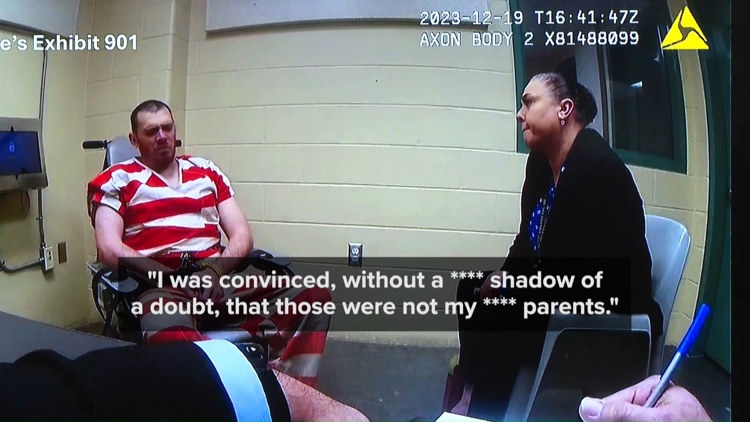
Under the harsh glare of courtroom lights and amid a sea of somber faces, the community of Austin watched intently as the sixth day of Shane James Jr.'s trial unfolded. The atmosphere was tense, heavy with the weight of tragedy, as a pivotal police interview video was shown to jurors and spectators alike. This footage, capturing moments from the night of December 5, 2023, offers a rare, unfiltered glimpse into the suspect’s own words and state of mind during the horrifying shooting spree that claimed six lives across Austin and San Antonio.
On that fateful night, Shane James Jr., 26, allegedly unleashed chaos with a firearm, targeting innocent victims in a series of shootings that spanned two major Texas cities. The incident, which shocked the community and drew national attention, resulted in six deaths and multiple injuries. Law enforcement officials attribute the violence to a combination of personal struggles and mental health issues, though the defendant’s motives remain under scrutiny.
The police interview, played in court on Day 6, revealed James Jr.’s own account of the events. According to authorities, he admitted to being at the scene of the shootings, but the reasons behind his actions remain complex. Prosecutors argue that the evidence points to a premeditated act of violence, while the defense suggests mental health challenges played a significant role. The video footage is expected to be a critical piece in the jury’s deliberations, shedding light on James Jr.’s mindset during those dark hours.
The community’s response to the trial has been one of a mixture of grief, anger, and a desire for justice. Many residents remember the shock of that night, with local businesses and families still grappling with the aftermath. The shooting spree not only claimed lives but also shattered a sense of safety that many Austinites take for granted. Community leaders have emphasized the importance of healing and unity, urging residents to support the victims’ families and seek justice through the legal process.
One local resident, Maria Lopez, whose nephew was among the victims, shared her heartbreak: “It’s hard to believe someone could do something so terrible. We need justice for those we lost and to ensure this never happens again.” The trial has also sparked conversations about mental health resources and gun safety, with advocates calling for stronger measures to prevent future tragedies. As the court proceedings continue, many hope that truth and accountability will bring some measure of closure to those affected.
As the trial moves into its next phase, legal experts anticipate that testimony from witnesses and additional forensic evidence will further clarify James Jr.’s motives and mental state. The prosecution aims to prove that the defendant’s actions were deliberate and avoidable, emphasizing the devastating impact on victims’ families. Meanwhile, the defense is expected to focus on mental health issues, potentially seeking a verdict of insanity or diminished capacity.
For the families and community members, the trial remains a critical step in the pursuit of justice. Local authorities and support organizations are also working to bolster mental health services and community safety initiatives, recognizing the importance of addressing root causes of violence. The city of Austin continues to mourn, but also to stand resilient, committed to fostering a safer, more compassionate community grounded in faith and family values.
Looking ahead, residents are hopeful that justice will be served and that lessons learned will lead to stronger preventative measures. The trial’s outcome may shape policies and community programs aimed at reducing gun violence and supporting mental health. As the city heals, faith and family remain central to its identity—a reminder that strong marriages and committed communities are vital in overcoming adversity. The story of that tragic night underscores the ongoing need for hope, healing, and unwavering commitment to the common good.
This tragic event is not isolated in the fabric of Austin’s recent history. Over the past decade, the city has grappled with a rising tide of gun-related incidents, often linked to broader issues such as mental health crises, economic disparities, and access to firearms. Local officials and community organizations have been working tirelessly to address these root causes, but incidents like the December shootings serve as stark reminders of the challenges still faced.
The Austin Police Department (APD) has increased its focus on community policing and mental health crisis intervention teams, aiming to build trust and provide better support for residents struggling with mental health issues. However, critics argue that more comprehensive measures are needed, including stricter gun control laws and improved access to mental health services. The community’s response to this case could influence future policy debates, both locally and statewide, about how to prevent similar tragedies.
In particular, the case has ignited discussions about the intersection of mental health and gun violence, a topic that remains politically sensitive in Texas. Advocates for gun safety emphasize the importance of responsible firearm storage and background checks, while mental health professionals highlight the need for early intervention programs. The community’s collective voice, amplified during this trial, underscores a desire for meaningful change to protect vulnerable populations.
Following the tragedy, several local organizations have stepped up to provide support for victims’ families and the broader community. The Austin Trauma Response Team, a coalition of mental health professionals, social workers, and faith leaders, has been active in offering counseling and crisis intervention services. Schools, churches, and community centers have hosted forums and memorial events to foster healing and dialogue about violence prevention.
Local government officials are also exploring new initiatives aimed at community resilience. Mayor Kirk Watson has publicly committed to increasing funding for mental health programs and community outreach efforts. Additionally, the Austin Police Department has launched public awareness campaigns about gun safety and responsible ownership, seeking to involve residents in creating a safer environment.
As the trial proceeds, the focus will likely shift toward expert testimonies regarding James Jr.’s mental health. Psychologists and psychiatrists may be called to testify about his psychological state at the time of the shootings, which could influence the jury’s decision on possible insanity defenses. The prosecution is expected to present evidence that demonstrates premeditation, such as planning materials or communications, to establish that the act was deliberate.
Meanwhile, the defense team will probably argue that mental health issues impaired James Jr.’s capacity to understand his actions, potentially seeking a verdict of insanity or diminished capacity. The judge’s rulings on admissibility of certain evidence and mental health evaluations will be crucial in shaping the trial’s trajectory.
Throughout this process, the community remains deeply invested. Memorials and vigils held in the aftermath of the shootings continue to serve as poignant reminders of the lives lost. Local leaders have called for patience and unity, emphasizing the importance of a fair and thorough judicial process. The trial’s outcome will not only determine James Jr.’s fate but also influence ongoing conversations about community safety and mental health support in Austin.
In the meantime, residents are urged to continue supporting the victims’ families and to participate in community efforts aimed at healing and prevention. The city’s resilience and collective resolve remain vital as Austin navigates this difficult chapter, seeking justice, understanding, and a safer future for all.
By James “Jimmy” Carter
By Carmen Silva
By Ella V. Ramirez
By Monica Ramirez