Sports
West Texas GameTime Player of the Week: Rankin's Matthew Ramos
By Elena Huerta
Advertisement · Why this ad?
Marcus Bennett, a University of Houston graduate, has spent the last 9 years covering the Houston Texans and Astros for CBS Sports. His deep knowledge of pro teams and players ensures that fans stay informed and engaged.
More from Marcus →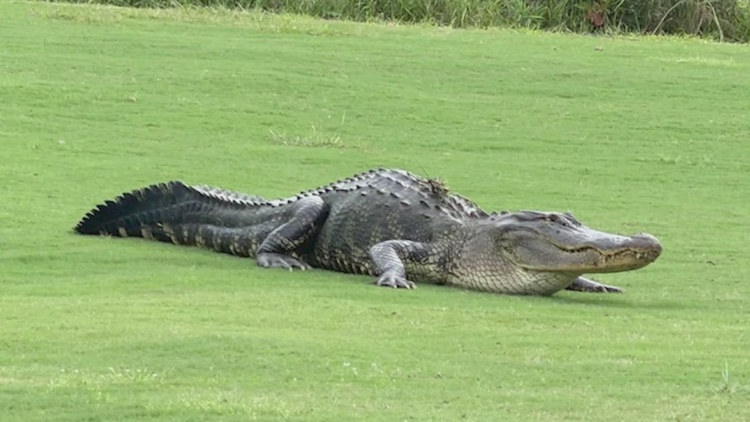
On a sultry Texas evening, a seasoned alligator hunter named Jim stands knee-deep in the murky waters of the Brazos River, flashlight in hand, eyes scanning the shadows for the telltale eyes of a prehistoric predator. It’s a scene that might seem straight out of a swamp adventure novel, but it’s rapidly becoming a reality for many in the Lone Star State. The Texas Parks and Wildlife Department (TPWD) has proposed a significant expansion to the alligator hunting season, potentially more than tripling its length in 22 counties and opening the door to nighttime hunts on private land. For a state that prides itself on rugged independence and resource management, this move raises questions about tradition, safety, and community impact.
The proposal, announced in late summer, aims to extend the current alligator hunting season from a handful of weeks to a much more flexible schedule spanning several months. In some counties, hunters could see the season stretch from just a few days to as long as three months, providing more opportunities for licensed hunters to pursue these formidable reptiles. Additionally, the rule change would permit nighttime hunting on private land—a move that has both supporters and skeptics buzzing across the community.
This initiative is driven by a desire to better manage the growing alligator population, which has seen a resurgence over the past decade. The department estimates that the alligator population in Texas now exceeds 250,000, a remarkable rebound from near-extinction status in the early 20th century. Advocates argue that a longer, more flexible season will help control the population, reduce human-wildlife conflicts, and support local economies—especially in rural areas where hunting is woven into the fabric of community life.
For private landowners, the ability to hunt at night could be a game-changer. Many landowners see alligators as threats to livestock, pets, and even human safety, particularly in areas where urban sprawl encroaches on wildlife habitats. Allowing nighttime hunts on private property could provide a safer, more effective means of managing these creatures, but it also raises concerns about safety and ethical hunting practices. The department emphasizes that permits, safety protocols, and hunter education will be integral to any expanded season.
Hunters like Jim believe that a longer season and nighttime opportunities could bolster local economies by attracting more outdoor enthusiasts. In towns like Anahuac and Winnie, where hunting is part of the cultural heritage, these changes could translate into increased tourism and business for local shops, guides, and outfitters. Yet, some community members worry that extending hunting hours might disrupt the peaceful coexistence of humans and wildlife, especially on private lands where families gather for weekend barbecues and children play freely.
Community reaction has been mixed. Supporters argue that responsible management is key to maintaining a healthy alligator population while protecting citizens and livestock. They point out that hunting has historically been a cornerstone of Texas’ wildlife conservation efforts, helping fund habitat preservation and enforcement. Opponents, however, voice concerns about safety, especially with nighttime hunts, and fear that overharvesting could upset the ecological balance.
Beyond the practical considerations, this debate touches on deeper values—faith, family, and the importance of stewardship. Many in the community believe that hunting, when done responsibly, reflects a respect for God's creation and reinforces the bonds of family and tradition. As the TPWD moves forward with public comment periods and stakeholder meetings, the challenge will be balancing these values with the need for effective wildlife management and community safety.
While Houston itself isn’t home to many alligators, the ripple effects of this policy change will be felt across the region. Rural counties will see increased activity, and the broader conversation about wildlife management and responsible hunting will resonate with many Texans who cherish their outdoor heritage. The decision also underscores the importance of strong families and communities that respect God's creation, emphasizing that true stewardship involves both conservation and responsible use.
In particular, counties such as Chambers, Jefferson, and Galveston, which border the Gulf Coast and contain a variety of wetland habitats, could experience shifts in land use and outdoor recreation. These areas have long been popular for fishing, birdwatching, and hunting, and the proposed changes could boost local economies but also pose new challenges for land management agencies tasked with balancing human activity and ecological health.
Furthermore, the community of Winnie, located just east of Houston, has a rich history intertwined with hunting and outdoor traditions. Local families have passed down stories of alligator hunting for generations, seeing it as both a livelihood and a cultural touchstone. The proposed policy changes might renew interest among young hunters, helping to preserve these traditions amid modern development pressures.
Local residents and stakeholders have begun voicing their opinions through town hall meetings, social media, and direct outreach. Sarah Martinez, a landowner near Anahuac who has been managing her property for over 20 years, expressed cautious optimism. “Hunting has always been part of our family’s way of life,” she said. “If it’s done responsibly, I think it can help keep our community safe and our land healthy.”
Meanwhile, opponents like environmental advocate and local teacher Mark Johnson worry about the ecological impacts. “Alligators are an important part of our wetlands’ ecosystem,” he said. “Overhunting could threaten their populations and disrupt the balance of our natural habitats. We need to be cautious and prioritize safety and conservation.”
The TPWD has scheduled a series of public comment periods and stakeholder meetings over the coming months. These forums will allow residents, landowners, hunters, conservationists, and local officials to voice their opinions and concerns. The department has emphasized that public input is vital to shaping final regulations that are both effective and community-oriented.
In addition, the department plans to collaborate with local universities and conservation groups to monitor the impacts of any changes, including tracking alligator populations and human-wildlife interactions. This data-driven approach aims to ensure that the expanded hunting season does not adversely affect the ecological health of Texas wetlands.
Texas’s diverse landscapes—from the arid plains of West Texas to the lush wetlands of the coast—are home to a wide array of wildlife. The alligator, once nearly wiped out, has become a symbol of resilience and successful conservation efforts. The proposed changes reflect a broader trend in Texas to adapt wildlife management practices to changing ecological realities and community needs.
For many Texans, hunting is more than a sport; it’s a tradition that sustains families and communities. The state’s approach to wildlife management often balances economic, ecological, and cultural considerations. The debate over alligator hunting exemplifies this complex balancing act, highlighting the importance of community involvement and responsible stewardship.
As Texas continues to grow and develop, maintaining this balance will be crucial. The outcome of this debate could influence future policies on other species and outdoor activities, shaping the state’s approach to conservation and recreation for generations to come.