Community
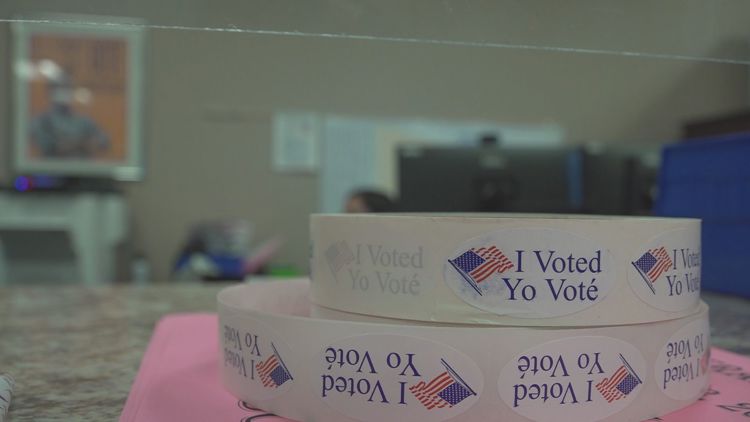
How Midland County is preparing for a record midterm election turnout
By James “Jimmy” Carter
Advertisement · Why this ad?
Eli is a culinary enthusiast and a graduate of the culinary program at Le Cordon Bleu in Austin. With over three years of experience in food journalism, he has covered the Dallas dining scene for local blogs and has a strong network of chefs and restaurateurs.
More from Eli →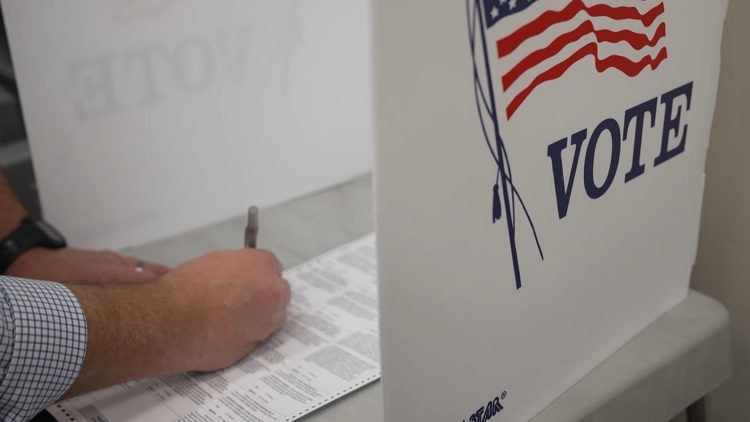
As the sun dipped low over the Texas horizon, casting a golden hue across the sprawling suburbs of Dallas, families gathered in their backyards, sharing laughter and barbecued delights. It was a scene that felt quintessentially American, a testament to community spirit and the values that bind us together. But as the November 3rd midterm election approaches, the air is thick with anticipation and the weight of civic duty. Voters across North Texas are preparing to make choices that will shape their communities for years to come.
This election cycle, North Texas voters will see a diverse array of candidates and issues on their ballots, reflecting the vibrant tapestry of our state. At the forefront are two prominent figures: Attorney General Ken Paxton and State Representative James Talarico. Paxton, a familiar name in Texas politics, is vying for re-election amid controversies and legal challenges, while Talarico, representing the Democratic side, aims to bring fresh perspectives to the Texas Legislature.
The ballot will also include several statewide offices, such as the Governor, Lieutenant Governor, and positions within the Texas Legislature. Local propositions will be up for consideration, allowing residents to vote on critical issues that directly affect their communities, from school funding to infrastructure improvements. It’s a chance for voters to voice their opinions on matters that resonate deeply within their neighborhoods.
In addition to the high-profile races, North Texas voters will be evaluating candidates for local offices, including city council members and school board trustees. These positions often have a more direct impact on daily life. For example, the Dallas Independent School District (DISD) has been a focal point in recent elections, with candidates advocating for various reforms aimed at improving educational outcomes. This year, discussions surrounding school safety and mental health resources are particularly poignant, reflecting concerns stemming from recent events nationwide.
Community members like Maria Gonzalez, a mother of three and active member of the local PTA, emphasize the importance of voting for candidates who prioritize education. “We need leaders who will invest in our schools and ensure our children have the resources they need to succeed,” she said during a recent community forum. Her sentiments echo a broader desire among parents to see tangible improvements in their children’s educational experiences.
Mark your calendars, as early voting in Texas runs from October 18 to October 29. This period provides a convenient opportunity for voters to cast their ballots ahead of Election Day, which falls on November 3. For those wondering where to vote, the Dallas County Elections Department offers comprehensive resources, including polling locations and hours of operation.
Voters should ensure they are registered and have the necessary identification, as Texas law requires photo ID to vote. Acceptable forms include a Texas driver’s license, a U.S. passport, or a military ID. It’s crucial to double-check your registration status, which can be done through the Vote Texas website.
Recognizing that some community members may face challenges in accessing polling places, local advocacy groups are mobilizing to provide assistance. Organizations like Vote.org and the Texas Civil Rights Project are working to ensure that voters with disabilities can access the polls. They are also providing resources for those who may need language assistance or have transportation issues.
“Every vote matters, and we want to make sure that everyone has the opportunity to participate in this election,” said David Nguyen, a volunteer coordinator for a local non-profit focused on voter outreach. His organization is working to educate voters about their rights and provide transportation to those in need, emphasizing that civic participation should be accessible to all.
In a state as diverse and dynamic as Texas, community engagement is vital to fostering informed voters. Local organizations are stepping up to educate residents about the voting process and the candidates on the ballot. Groups like the League of Women Voters of Texas are hosting forums and distributing non-partisan voter guides to help citizens navigate the complexities of the election.
“It’s about empowering people to make their voices heard,” says Linda Mendez, a volunteer with the League. “We want to ensure that everyone understands the issues at stake and feels confident when they step into the voting booth.”
Moreover, local churches and community centers are also playing a pivotal role in mobilizing voters. Many are organizing rides to polling places and hosting discussions about the implications of the upcoming election on family values and community stability.
Grassroots movements are gaining traction in North Texas, with many residents taking it upon themselves to educate their neighbors and friends about the importance of voting. Initiatives like Vote 2023, a community-led campaign, are gathering steam as they aim to increase voter turnout among young people and first-time voters. This campaign has organized events that blend entertainment with education, making the voting process feel more engaging and less daunting.
“We’re trying to create a culture where voting is seen as a celebration of our democracy,” said Jasmine Lee, a college student and organizer with Vote 2023. “It’s not just about the election; it’s about being part of something bigger.”
The outcome of the midterm elections will undoubtedly have a profound impact on the North Texas community. With key issues such as education, healthcare, and public safety on the line, the elected officials will shape policies that affect daily life for families across the region. For instance, decisions made regarding funding for public schools can influence the quality of education for children, a matter close to the hearts of many parents.
Moreover, the election results could affect local initiatives aimed at improving infrastructure, such as road repairs and public transportation systems. As families grow and communities expand, having reliable infrastructure becomes increasingly essential for ensuring safety and accessibility.
As the outcomes of the midterm elections unfold, their long-term consequences will resonate throughout North Texas. Policies regarding healthcare access, particularly for underserved communities, will be closely watched. Candidates’ stances on expanding Medicaid or improving mental health services could significantly alter the landscape of healthcare in the region.
Similarly, environmental policies are becoming a focal point for many voters. With climate change impacting Texas more than ever, local leaders will need to address sustainability practices and promote green initiatives. Residents are increasingly aware of how these issues affect their quality of life and are eager to see action from their elected officials.
As the election date approaches, the excitement and urgency are palpable among residents. Many families are discussing the implications of their votes around dinner tables, weighing the pros and cons of each candidate. This grassroots engagement is a testament to the enduring spirit of democracy and the importance of civic participation.
Once the votes are counted and the results are announced, the real work begins. Elected officials will need to listen to their constituents and remain accountable to the promises made during their campaigns. Community forums and town hall meetings will likely become essential venues for dialogue, allowing residents to voice their concerns and expectations.
In the aftermath of the election, it will be crucial for families to remain engaged and informed. Following the developments in local government and participating in community discussions will help ensure that the values and needs of North Texas residents are represented. After all, a thriving community is built on the foundation of strong families, committed to shaping a better future together.
As North Texas moves forward, the emphasis on civic engagement will only grow. Community leaders and residents alike recognize that the strength of their neighborhoods depends on active participation in the democratic process. The midterm elections are not just a moment in time; they are a stepping stone toward a more engaged and responsive local government, one where every voice is valued and heard.
By James “Jimmy” Carter
By James “Jimmy” Carter
By Lila Mendez
By Lydia G. Escobar