Community
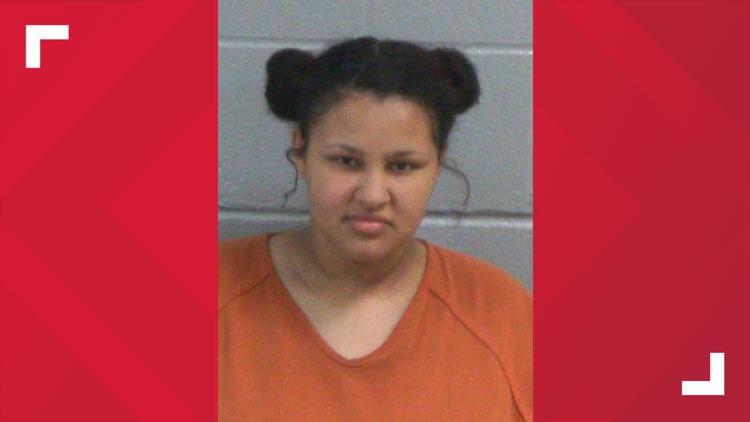
Man sentenced for manufacturing, delivering controlled substance in Odessa narcotics investigation
By James “Jimmy” Carter
Advertisement · Why this ad?
A veteran journalist, Jimmy Carter has spent over a decade covering local stories that resonate with the Midland community. He holds a degree from the University of Texas at Austin and previously reported for KPBE, an NPR affiliate. His work often explores the intersections of culture and community engagement.
More from James →
Under the bright Texas sun, a quiet but powerful shift was unfolding in Midland and across the Lone Star State. I met with Maria Lopez, a lifelong resident of Midland, at her family’s small grocery store last week. As she wiped down shelves, she shared her thoughts: "Many of us here have felt disillusioned, tired of the same promises that never quite seem to come true. This year, more than ever, folks are looking for real change, and they found it in the vote." Her words echo a broader story of a state that’s witnessing a political transformation driven by a diverse and engaged electorate.
Recent elections in Texas have surprised many political observers. Traditionally considered a Republican stronghold, the state saw a significant shift in voting patterns that analysts are now attributing to a combination of historic turnout among Latino voters, independents, and disillusioned Republicans. According to preliminary data, voter participation among Latino communities increased by over 15% compared to previous midterms, a figure that played a decisive role in tipping the scales. This surge was fueled by a combination of grassroots efforts, community outreach, and a sense that their voices could finally influence the political landscape.
Experts point out that many of these voters, particularly within the Latino community, felt overlooked or dismissed in past elections. Campaigns focused on issues like immigration reform, economic opportunity, and education resonated deeply. Meanwhile, some Republicans, feeling alienated by the national party's stance on certain social issues, chose to cross party lines or abstain altogether. This collective shift resulted in a more competitive political environment, with Democrats making gains in key districts that once seemed firmly in the Republican camp.
Historically, Midland and the Permian Basin have been economic powerhouses, driven by oil and gas industries. These industries have traditionally aligned with Republican policies supporting energy development. However, economic uncertainty, environmental concerns, and the push for diversification have shifted community priorities. Many residents now see the importance of policies that address climate change, healthcare, and economic resilience—issues that have become central to the Democratic platform in recent years.
In Midland, the community’s response has been a mixture of hope and cautious optimism. Local leaders like Pastor Samuel Hernandez of Midland Community Church emphasize the importance of faith and family in shaping voting decisions. “People are looking for leaders who understand their struggles, who speak to their values,” he says. “When they see candidates genuinely committed to strengthening families and communities, it inspires them to participate.” The increased turnout among Latino voters, many of whom are born-again Christians, underscores the vital role of faith-based outreach in motivating civic engagement.
Maria’s story is echoed by many others who felt empowered to vote for the first time or to support candidates who reflect their values. Local organizations like the Permian Basin Latino Alliance have worked tirelessly to register voters and educate residents about the importance of their voice in democracy. Their efforts have paid off, with hundreds more participating in this election cycle. Community members express a renewed sense of agency, believing that their votes can lead to tangible change in areas like healthcare, education, and economic development.
Many residents also point to the influence of local media and social networks in spreading awareness. Radio stations, community newsletters, and local Facebook groups have become vital channels for discussions about candidates and issues. This grassroots communication has helped demystify the voting process and motivate hesitant voters, especially among younger demographics who are increasingly politically active.
The political landscape in Texas is clearly shifting, and Midland is no exception. Analysts predict that this trend will continue, especially as younger voters and minority communities become more engaged. For local families, this means greater representation and policies that better reflect their needs. Community leaders are optimistic but cautious, emphasizing the importance of ongoing civic education and faith-based encouragement to sustain this momentum. The next few years will be critical as candidates and policymakers work to build on this newfound energy and trust.
Looking ahead, organizations like the Texas Democratic Party and local nonprofits are planning targeted outreach campaigns to keep voters engaged. Schools, churches, and community centers will play a pivotal role in fostering informed participation. For families committed to strong marriages and stable homes, this political awakening offers hope for a future where their values are respected and their communities thrive. As Maria Lopez puts it, “When we come together, when we vote, we’re shaping the future for our children and grandchildren.”
In the wake of these electoral shifts, local organizations are strategizing to maintain and expand voter engagement. The Permian Basin Latino Alliance, for example, is planning a series of community forums aimed at educating residents about upcoming policies and legislative proposals. These forums will feature local leaders, healthcare professionals, and educators who can explain how national and state policies impact Midland’s everyday life.
Meanwhile, the Democratic Party’s local chapter is ramping up door-to-door canvassing, especially targeting neighborhoods with historically low turnout. They are also leveraging digital platforms to reach younger voters, emphasizing issues like climate resilience, economic diversification, and healthcare access—topics that resonate deeply with Midland’s diverse population.
Furthermore, the city government is exploring ways to incorporate civic education into school curricula, recognizing that fostering political awareness early on is essential for long-term engagement. Community centers are also planning workshops on voting rights and civic responsibilities, aiming to empower residents of all ages to participate actively in democracy.
Faith-based organizations will continue to be a cornerstone of civic engagement in Midland. Pastor Samuel Hernandez and others like him believe that spiritual leadership can motivate communities to stay involved beyond election cycles. Many churches are now hosting voter registration drives and informational sessions, emphasizing moral responsibility and community service as part of their outreach.
This approach aligns with broader efforts by groups like Focus on the Family and the Evangelical Fellowship of Texas, which see faith as a vital force in shaping civic life. Their involvement helps bridge the gap between religious values and political participation, fostering a sense of moral duty to influence policy for the common good.
This shift in Midland is more than just a political trend; it reflects a community awakening. For years, residents have felt disconnected from the political process, often perceiving it as distant or unresponsive to their needs. Now, with increased participation, they are asserting their voice in shaping policies that directly affect their lives—from healthcare access and education funding to economic stability and environmental policies.
For local families, this means a future where their concerns are heard and addressed. It also signifies a broader cultural shift, where diverse voices are finally gaining prominence in a region long dominated by a single-party narrative. The importance of this change cannot be overstated, as it paves the way for more inclusive governance and community-led decision-making.
As Midland and Texas continue to evolve politically, the immediate focus will be on maintaining this momentum. Local leaders and community organizations will need to work together to keep voters informed, engaged, and motivated. The upcoming legislative sessions and local elections will be critical in translating this electoral energy into meaningful policy changes.
Statewide, the Democratic Party is strategizing to capitalize on this momentum, aiming to flip more districts and secure key legislative seats. Meanwhile, Republicans are reassessing their outreach and messaging, recognizing the need to reconnect with communities that have shifted away from them. The next few election cycles will reveal whether this newfound engagement is sustainable or if it represents a temporary shift.
For Midland residents, the ongoing story is about empowerment—about realizing that their votes can influence the direction of their community and state. As Maria Lopez concludes, “When we come together, when we vote, we’re shaping the future for our children and grandchildren.” This community-driven change offers hope for a more inclusive, responsive Texas, where every voice counts and every vote matters.
By James “Jimmy” Carter
By James “Jimmy” Carter
By James “Jimmy” Carter
By James “Jimmy” Carter