
Community
How Democrats Won Texas: Analysts Point to Disillusioned Republicans and Latino Voters
By James “Jimmy” Carter
Advertisement · Why this ad?
A veteran journalist, Jimmy Carter has spent over a decade covering local stories that resonate with the Midland community. He holds a degree from the University of Texas at Austin and previously reported for KPBE, an NPR affiliate. His work often explores the intersections of culture and community engagement.
More from James →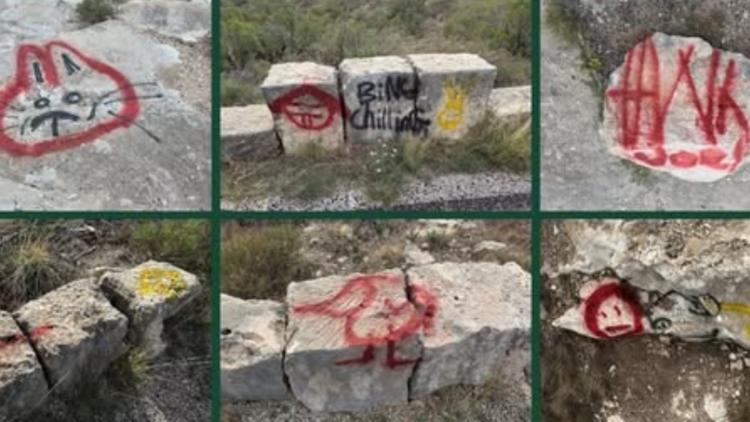
On a quiet morning at Big Spring State Park, a local family was strolling along the scenic trails when they noticed an unsettling sight: spray-painted graffiti defacing the natural beauty of the beloved Texas landmark. The bright colors and careless scribbles stood in stark contrast to the peaceful landscape, leaving visitors and park staff alike feeling disheartened. This incident is not just about vandalism; it’s a stark reminder of how destructive acts can ripple through our community, impacting both the environment and the values we hold dear.
According to officials from Texas Parks and Wildlife Department, the recent act of vandalism at Big Spring State Park occurred sometime late last week. The perpetrators used spray paint to cover several areas of the park’s trails and picnic spots, leaving behind crude markings that marred the natural scenery. While the exact extent of the damage is still being assessed, authorities estimate that the cost to clean and repair the affected areas will run into thousands of dollars. More troubling than the expense, however, is the damage done to the park’s delicate ecosystem, which relies on its pristine environment to support local wildlife.
Park officials have emphasized that graffiti not only spoils the aesthetic appeal but also has tangible adverse effects on native species. The chemicals in spray paint can leach into the soil and water, disrupting the habitat of birds, insects, and small mammals that call Big Spring home. The department has launched an investigation, urging anyone with information to come forward. They hope community members will help identify those responsible, reinforcing that vandalism is a crime that affects everyone who treasures this natural treasure.
The community’s response has been a mix of disappointment and resolve. Local residents, many of whom grew up exploring the park’s winding trails, expressed their frustration over the damage. “This park is a place of peace and family memories,” said longtime resident Martha Lopez. “It’s heartbreaking to see it targeted like this. We need to come together to protect what’s ours.”
In the days following the vandalism, several community groups and volunteers have stepped forward to assist with cleanup efforts. The Midland County Parks Department has organized a volunteer day to help remove graffiti and restore the area’s natural beauty. Local churches and civic organizations are also rallying support, emphasizing the importance of preserving Texas’s outdoor heritage. Community leaders hope that these collective efforts will not only repair the physical damage but also serve as a reminder of the shared responsibility we all bear in safeguarding our parks.
Looking ahead, Texas Parks and Wildlife officials are doubling down on their efforts to prevent future incidents. They are considering increased patrols and installing surveillance cameras in vulnerable areas, aiming to deter would-be vandals. The department also plans to launch an educational campaign to raise awareness about the ecological and aesthetic harm caused by graffiti, especially in protected areas like Big Spring State Park. Officials stress that preserving the park’s natural beauty is a community effort rooted in shared values of faith, family, and respect for God’s creation.
For residents eager to get involved, the department encourages volunteering for cleanup events or participating in community patrols. Additionally, those with information about the vandals are urged to contact the Texas Parks and Wildlife Department’s tip line. As we look to the future, it’s clear that protecting our outdoor spaces is more than just a matter of maintenance; it’s about nurturing the spirit of stewardship that binds us as a community rooted in faith and family. Together, we can ensure that Big Spring State Park remains a sanctuary for generations to come.
Big Spring State Park isn’t just a scenic spot; it’s a vital part of Midland’s identity and history. The park is named after the natural spring that has sustained local residents and wildlife for centuries. For many in the Midland community, it’s a place where families gather, children learn about nature, and visitors from across Texas and beyond experience the rugged beauty of West Texas. The vandalism strikes at the heart of what makes this park special, threatening its role as a communal gathering space and ecological sanctuary.
Moreover, the park’s location is strategic. Situated near the Permian Basin, it provides critical habitat for migratory birds and local species adapted to arid environments. The spring itself is a rare natural resource in this part of Texas, and its preservation is linked to broader efforts to conserve water and natural habitats in the region. The damage caused by graffiti and vandalism complicates these conservation efforts, potentially leading to increased costs and resource allocation for cleanup and restoration.
Community leaders, environmentalists, and local government officials recognize that protecting Big Spring State Park is a shared responsibility. The Midland community has a long-standing tradition of valuing its natural landscapes, from the nearby Permian Basin Museum to the annual outdoor festivals held in the park. This incident has galvanized local efforts to reinforce that tradition, emphasizing education and community engagement to prevent future acts of vandalism.
Leading the response is the Texas Parks and Wildlife Department, which manages hundreds of parks across the state. Their regional office in Midland has been actively involved in coordinating cleanup efforts and investigating the vandalism. Department officials, including Regional Director Lisa Martinez, have emphasized the importance of community cooperation. Martinez, a Midland native with over 20 years of experience, has been a vocal advocate for environmental education and community stewardship programs. She notes that incidents like this highlight the need for ongoing vigilance and community partnerships.
Among the community leaders stepping up is Mayor Susan Miller, who has called for unity and resilience. “Big Spring State Park is a jewel in Midland’s crown,” she said. “We must come together to protect it for our children and grandchildren.” Local pastors and civic leaders are also organizing forums to discuss ways to foster respect for public spaces, emphasizing the spiritual and moral obligation to care for God's creation.
Volunteer groups such as the Midland Conservation Corps and local families have been instrumental in the ongoing cleanup efforts. These volunteers often include high school students, church groups, and senior citizens, all united by a shared sense of community pride. Martha Lopez, who has lived in Midland for over 40 years, has been actively participating in these efforts, seeing them as a way to teach young people about environmental responsibility. “When we work together, we not only restore the park,” she said, “but we also strengthen our community bonds.”
The immediate focus remains on cleaning up the vandalized areas and restoring the park’s natural beauty. The Midland County Parks Department has scheduled additional volunteer days, and the department is exploring grants to fund more extensive restoration projects. Simultaneously, the department is working with local schools to incorporate environmental stewardship into their curricula, aiming to foster a new generation of conservation-minded citizens.
In the longer term, officials plan to implement more physical security measures, such as increased patrols, surveillance cameras, and better lighting in vulnerable areas. They are also considering community-led patrol initiatives, which have proven successful in other local parks. These measures aim to create a safer environment and prevent future vandalism, ensuring that Big Spring State Park remains a treasured community asset.
Furthermore, the department is planning to hold public forums and educational workshops to involve residents in ongoing conservation and maintenance efforts. These initiatives are designed to foster a sense of ownership and pride among community members, ensuring that the park’s preservation becomes a collective mission.
Lastly, the incident has sparked conversations about broader regional conservation strategies, especially in light of ongoing water resource challenges and climate change impacts. Protecting natural springs and habitats in West Texas is increasingly vital, and community involvement at the local level is seen as a cornerstone of these efforts. The community’s response to this vandalism underscores a larger commitment to safeguarding Texas’s natural beauty for generations to come.
By James “Jimmy” Carter

By James “Jimmy” Carter
By James “Jimmy” Carter

By James “Jimmy” Carter